Cast Iron Pipe Replacement in Kenner, LA
Beneath thousands of mid-century homes across Kenner, heavy cast-iron sanitary drain lines lie buried under monolithic concrete slabs. While cast iron was the gold standard of residential construction throughout the 1950s, 60s, and 70s, it has an anticipated functional lifespan of roughly 40 to 60 years. In Jefferson Parish's damp, organic clay soils and high water table, these pipes suffer severe internal hydrogen sulfide acid corrosion and exterior rusting. Our specialized cast iron pipe replacement Kenner solutions diagnose failing subterranean sewer systems and restore sanitary drainage without destroying your home.
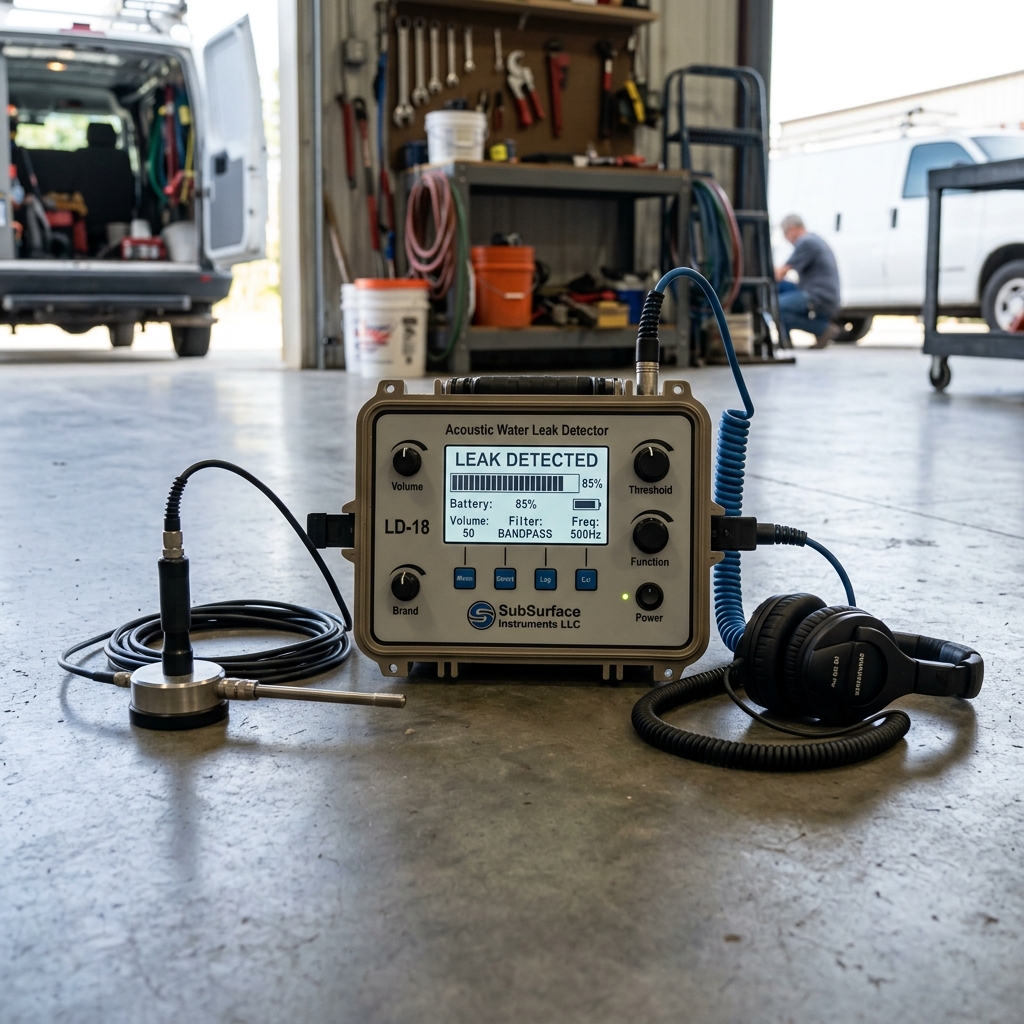
Deteriorating cast iron under your slab can cause soil erosion and foundation subsidence. Call our drainage team to schedule a video camera inspection.
How Drain Leaks Differ from Pressurized Supply Slab Leaks
It is essential to distinguish between freshwater supply leaks and sewer drainage failures under your foundation. Freshwater supply lines operate under continuous municipal pressure (typically 50 to 70 PSI). When they fail, water flows continuously, spinning the water meter and generating acoustic hiss frequencies.
In contrast, a cast iron drain under slab Kenner problem is a gravity-fed or intermittent discharge system. Water only escapes when plumbing fixtures are in use. However, sewer line failures release raw sewage, harsh bacteria, and sewer gases directly into the subgrade beneath your foundation. Over time, recurring drain discharge erodes supporting clay soils, washing out the sub-base and causing the foundation to sag, crack, or settle unevenly.
Warning Signs of Failing Under-Slab Cast Iron
As a sewer line under slab Kenner home ages, several distinct warning symptoms appear:
- Persistent Slow Drains and Gurgling: Sinks, showers, and toilets that drain slowly simultaneously or gurgle when other fixtures are emptied, indicating severe internal pipe diameter restriction from rust tuberculation.
- Recurring Sewer Backups: Multiple fixture backups requiring frequent mechanical snaking, only to clog again within weeks as solid waste catches on rough, exfoliated cast iron scales.
- Sewer Gas Odors Indoors: Foul, sulfurous odors wafting into bathrooms, laundry spaces, or living rooms, signaling that sewer gas is escaping through cracks in the top crown of subterranean drain lines.
- Foundation Hairline Settlement: Concrete slab cracks developing near bathroom corridors where wastewater leakage has liquefied and washed away supporting clay bedding.
- Pest Infestations: Fruit flies, drain flies, or subterranean termites attracted to concealed moisture pockets beneath foundation slabs.
Video Camera Inspection and Hydrostatic Testing
Diagnosing the exact condition of an under-slab drain requires non-destructive internal visualization. Our technicians feed high-definition, self-leveling fiber-optic sewer cameras directly through cleanout ports:
- Assessing Channeling and Rust Scaling: The camera clearly reveals internal tuberculation, calcification, and bottom channeling—where acidic sewer runoff has literally eaten through the bottom invert of the cast iron pipe, allowing waste to drain directly into raw dirt.
- Hydrostatic Inflatable Ball Testing: An inflatable rubber test ball is positioned at the building's exterior cleanout and the drainage system is filled with water to floor level. If the water column recedes, a sub-slab drain breach is verified.
- Digital Sonde Locator: Built-in radio transmitters inside the camera head emit signals that pinpoint the exact depth and spatial location of fractures beneath the concrete slab.
Schedule a high-definition sewer camera diagnostic to evaluate whether your cast iron drainage can be preserved or requires replacement.
Restoration Pathways: Trenching, Tunneling, and Pipe Lining
Depending on structural integrity and pipe degradation, three primary engineering solutions are available:
Sub-Slab Precision Tunneling
Rather than jackhammering trenches through living rooms and destroying finished flooring, specialized crews excavate a structural tunnel beneath the foundation starting from the home exterior. Plumbers work safely beneath the slab to dismantle old cast iron and install heavy-gauge PVC drain assemblies, backfilling the tunnel with engineered flowable fill upon completion.
Trenchless Cast Iron Pipe Lining
Where the existing cast iron pipe retains sufficient circular structural form without major collapses, cast iron pipe lining Kenner solutions restore the line trenchlessly. An epoxy-saturated felt liner is pulled through the cleaned pipe and cured in place, creating a seamless, root-proof, jointless structural pipe-within-a-pipe that lasts for decades.
Interior Trench Replacement
For shorter runs or homes undergoing major architectural remodeling, direct slab saw-cutting allows technicians to excavate the damaged cast iron and install modern schedule 40 solid-core PVC piping with clean modern mechanical couplings before re-pouring concrete.
Permits and Inspections for Drain Replacement
Under-slab sanitary drainage replacement in Jefferson Parish requires municipal plumbing permits, hydrostatic drain inspections, and adherence to parish backflow and cleanout spacing standards. Our team oversees all code filings and inspections.
If your foundation issue involves freshwater supply lines instead of sewer drains, see our slab leak detection, slab leak reroute, or whole-house repiping guides. Explore our primary slab leak repair Kenner service overview or check your neighborhood context on our service areas page.
Frequently Asked Questions About Cast Iron Pipe Replacement
How long do cast iron sewer pipes last under a slab?
In Kenner's moist clay soils and high water table, cast iron drain lines typically last between 40 and 50 years. Homes built prior to 1985 are currently operating near or beyond their expected structural life expectancy.
Is under-slab tunneling safe for my home foundation?
Yes, when performed by licensed foundation excavation contractors. Tunnels are dug in accordance with structural guidelines, and once plumbing inspections are approved, the void is pneumatically pumped with compacted flowable soil cement to restore full slab support.
Can chemical drain cleaners damage old cast iron pipes?
Yes. Caustic chemical drain cleaners generate intense heat and acid reactions that accelerate internal cast iron corrosion, frequently eating through the weakened bottom of the pipe and worsening sub-slab leaks.