Slab Leak Reroute in Kenner, LA
When water lines under a concrete slab fail, breaking open your finished flooring with a jackhammer is rarely the best path forward. For homeowners seeking modern, lasting slab leak reroute Kenner solutions, bypassing damaged pipes through wall cavities and attic spaces offers an elegant, non-destructive alternative. By opting to re-route water line Kenner plumbing systems, you protect your flooring and structural foundation from unnecessary disruption while gaining a new, accessible plumbing line.
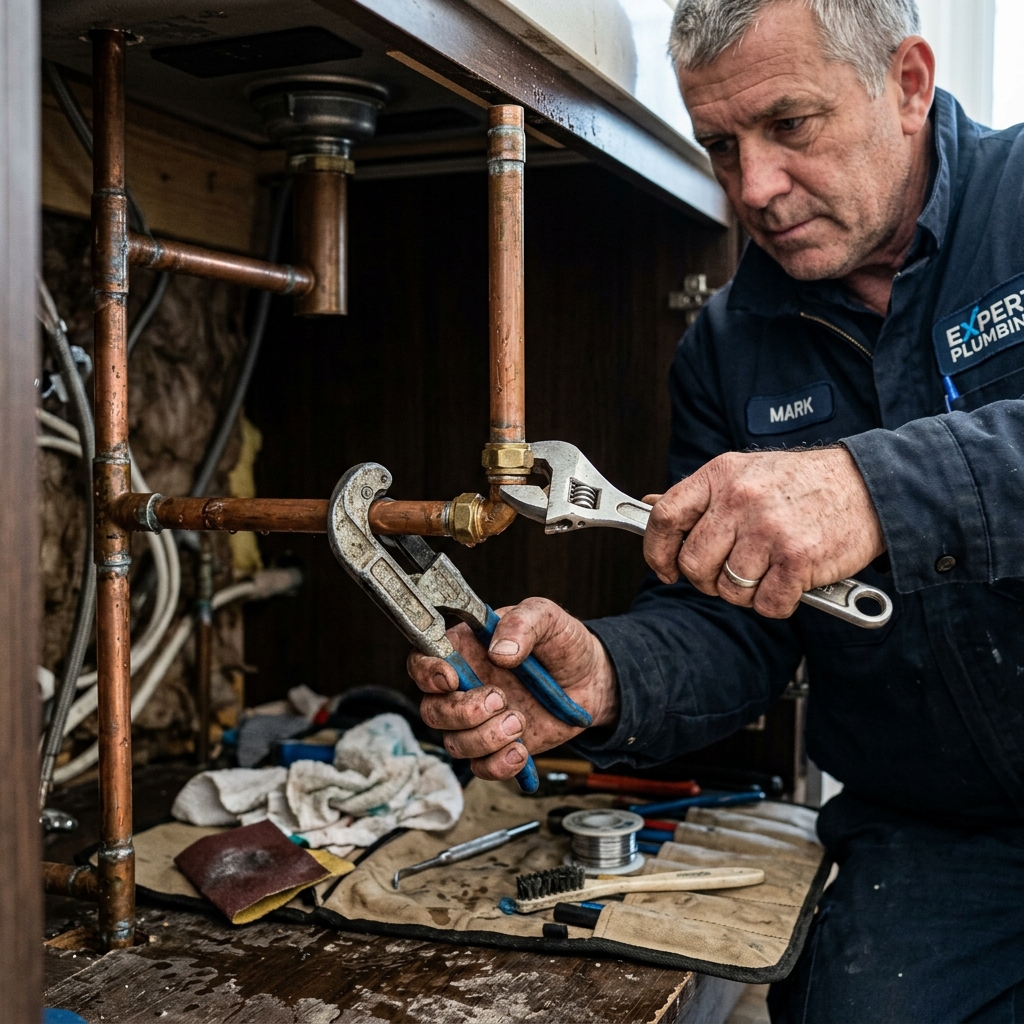
Discover how an overhead pipe reroute preserves your flooring and provides decades of reliable water delivery. Call our specialists today.
When Rerouting Beats Jackhammering the Concrete Slab
In traditional plumbing repairs, technicians cut open tile, chip away concrete, dig into muddy subgrade, and solder a patch directly onto a broken copper pipe. While this approach works in unfinished garages or open utility rooms, it creates major complications inside occupied living spaces.
In Kenner homes—where expensive Italian tile, custom hardwood, or marble finishes line living areas and kitchen floors—breaking concrete creates pervasive silica dust, damages moisture barriers, and leaves mismatched flooring patches that are difficult or impossible to duplicate. Furthermore, in shifting clay subsoils, excavating support soil from beneath a monolithic slab can create structural settlement pockets. Choosing to bypass slab leak Kenner plumbing lines completely circumvents these risks by abandoning the failed underground segment in place.
Routing New PEX or Copper Lines Above the Slab
During a professional line reroute, the plumber identifies the supply manifold where the damaged line originates and the specific fixture riser where it terminates. The leaking sub-foundation pipe is disconnected and permanently capped off at both ends.
A brand-new water line—typically high-density PEX-a (cross-linked polyethylene) or Type L rigid copper—is routed upward through the interior wall stud bays and across the upper framing. PEX is particularly favored for reroutes because its flexibility allows seamless runs from source to fixture without buried fittings inside walls, drastically reducing the potential for future joint leaks.
Thermal Protection in Kenner Attics: Heat and Freeze Defense
When you reroute pipes through attic Kenner installations require specialized attention to Louisiana climate extremes. Kenner summers bring oppressive heat, with attic temperatures routinely exceeding 130 degrees Fahrenheit, while occasional winter cold snaps can plunge temperatures below freezing.
To safeguard overhead water lines:
- Closed-cell foam insulation: All domestic water lines routed through unconditioned attic spaces are encased in thick elastomeric closed-cell foam tubing to shield against thermal gain and sudden freezes.
- Buried beneath attic insulation: Where feasible, piping runs are positioned beneath blown-in cellulose or fiberglass attic insulation, taking advantage of the home's thermal boundary.
- Secure structural strapping: Lines are fastened with sound-dampening suspension clamps to eliminate pipe rattling or water hammer noises when valves close.
Our experienced plumbing team evaluates your home layout to design the cleanest, least invasive overhead route possible.
Drywall Access, Patching, and Project Timeline
A common homeowner question is how much interior wall work is required during an overhead reroute. The process is remarkably clean. Small drywall access openings—typically 6 by 6 inches or 12 by 12 inches—are cut neatly behind baseboards, inside closets, or beneath vanity cabinets where they are inconspicuous.
Most single-line reroutes in standard Kenner single-story homes are completed in a single working day, restoring full water service by evening. Drywall patching and texture restoration can then be coordinated neatly without major disruption to your household.
Permits and Code Compliance in Jefferson Parish
All major plumbing reroutes in Kenner must adhere strictly to the Louisiana State Plumbing Code and Jefferson Parish regulatory requirements. Professional reroutes include pulling necessary municipal permits and coordinating official parish inspection to verify proper pipe sizing, thermal insulation, backflow prevention, and pressure testing.
If your foundation leak involves continuous hot water cycling, explore our guide on hot water slab leak repair. If multiple sub-slab lines are failing throughout your property, consider whole-house repiping as an all-inclusive alternative. For foundational diagnostic methods, review slab leak detection, explore our primary slab leak repair Kenner service overview, or check geographic details on our service areas page.
Frequently Asked Questions About Slab Leak Rerouting
Will an attic pipe reroute cause water pressure to drop?
No. Professional plumbers calculate equivalent pipe lengths and friction loss, properly sizing the replacement PEX line (often upgrading 1/2-inch lines to smooth-bore 3/4-inch runs where appropriate) to maintain or even improve fixture water volume and pressure.
What happens to the water left inside the abandoned slab pipe?
The leaking line is depressurized, disconnected from all municipal water sources, thoroughly drained, and sealed at both access points. Without water pressure feeding into it, moisture under the slab naturally dries out over time.
Can an overhead pipe reroute be performed on a two-story home?
Yes. On two-story homes, lines can be routed through second-floor floor joists, vertical chase walls, or utility shafts, bypassing the first-floor concrete foundation cleanly.